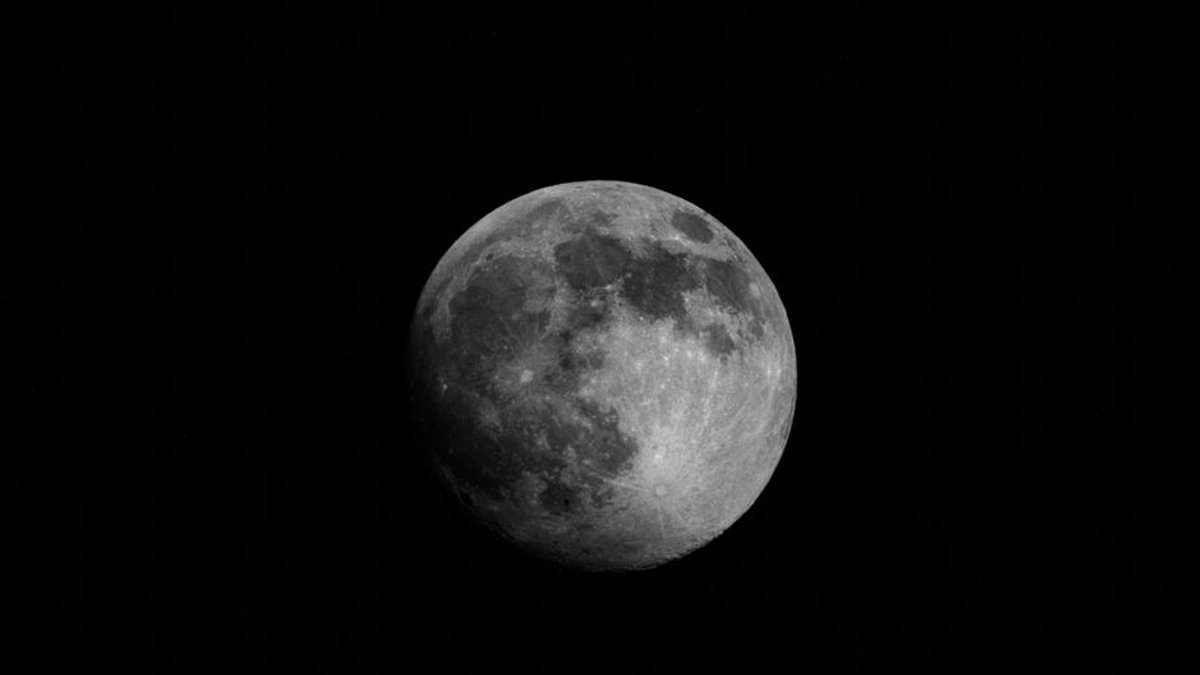
The impact occurred on March 4, 2022, when the booster, which had been drifting in space for years after launching a weather satellite, collided with the lunar surface. Initially, scientists predicted a single crater, but LRO's images show two overlapping craters, suggesting the rocket had significant mass at both ends. This unusual shape has prompted researchers to reconsider the physical characteristics of the upper stage and its orientation at impact.
A Double Crater and Its Implications
The LRO, which has been mapping the Moon since 2009, captured before-and-after images of the impact site. The new crater is about 29 meters wide at its longest axis, with the two craters measuring 18 and 16 meters respectively. The presence of two craters indicates that the rocket body was not a simple hollow shell, but had substantial structural components at both ends, likely the engine and the fuel tank.
This discovery is not just a curiosity; it has practical implications for future lunar missions. Understanding how objects impact the Moon helps engineers design spacecraft and satellites that can be safely disposed of at the end of their missions. It also provides a natural experiment for studying the Moon's subsurface, as the impact exposed material that had not been seen before.
NASA scientists have noted that the double crater is a rare occurrence, with only a few similar impacts recorded. The agency continues to analyze the data, hoping to learn more about the Moon's geology and the behavior of objects in orbit around Earth and the Moon.
The incident also highlights the growing issue of space debris, even as space exploration becomes more frequent. As more nations and private companies send missions to the Moon, the risk of unintended impacts increases, making it essential to develop better tracking and disposal strategies.
For now, the crater stands as a testament to the reach of human technology, a small but permanent scar on the lunar surface that will be studied for years to come.


Comments
No comments yet.