Racing Ahead, Running on Empty
AI labs are churning out new models at a frenetic pace, but a phenomenon called 'model fatigue' is setting in. Consumers and businesses struggle to keep up with upgrades that promise marginal gains. CNBC reports that the breakneck release schedule is exhausting even the most dedicated tech enthusiasts. The result is a growing gap between what AI can do and what people actually need or trust.
The Atlantic adds a sharper concern: AI is already making us less human. As we delegate more thinking, writing, and even feeling to algorithms, our own cognitive and emotional muscles may weaken. This is not just a philosophical worry; it has practical implications for education, parenting, and mental health.
What Parents Need to Know
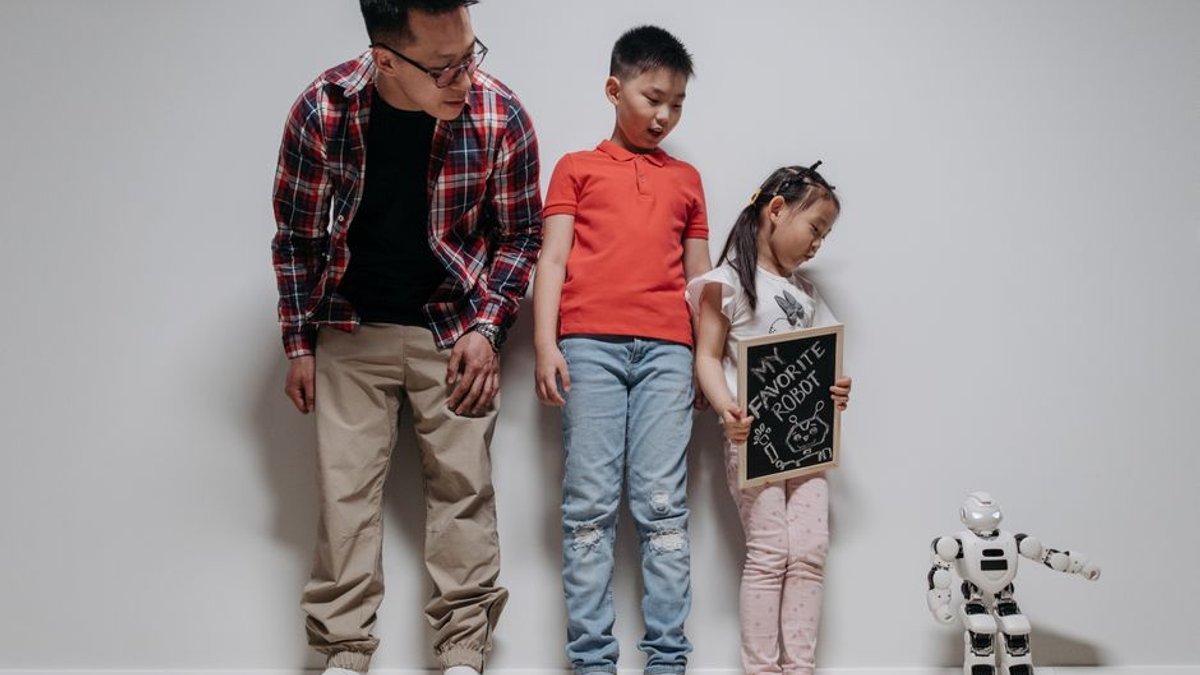
A father of three who studies AI's impact offers a grounded perspective for families. He advises parents to be intentional about screen time, to model critical thinking, and to keep conversations about AI open and age-appropriate. The goal is not to fear technology but to ensure it serves human development rather than undermining it.
Gates echoes this sentiment, urging a focus on equity and safety. He argues that the next decade will determine whether AI becomes a tool for widespread benefit or a source of new divides. The infrastructure we build now—in regulation, education, and ethics—will shape that outcome.
The pace of change shows no sign of slowing. Yet the most urgent work is not in the labs but in the decisions we make as individuals and societies. Whether it is setting boundaries at home, demanding transparency from companies, or supporting thoughtful policy, the burden is on us to steer this technology toward genuinely human ends.


Comments
No comments yet.