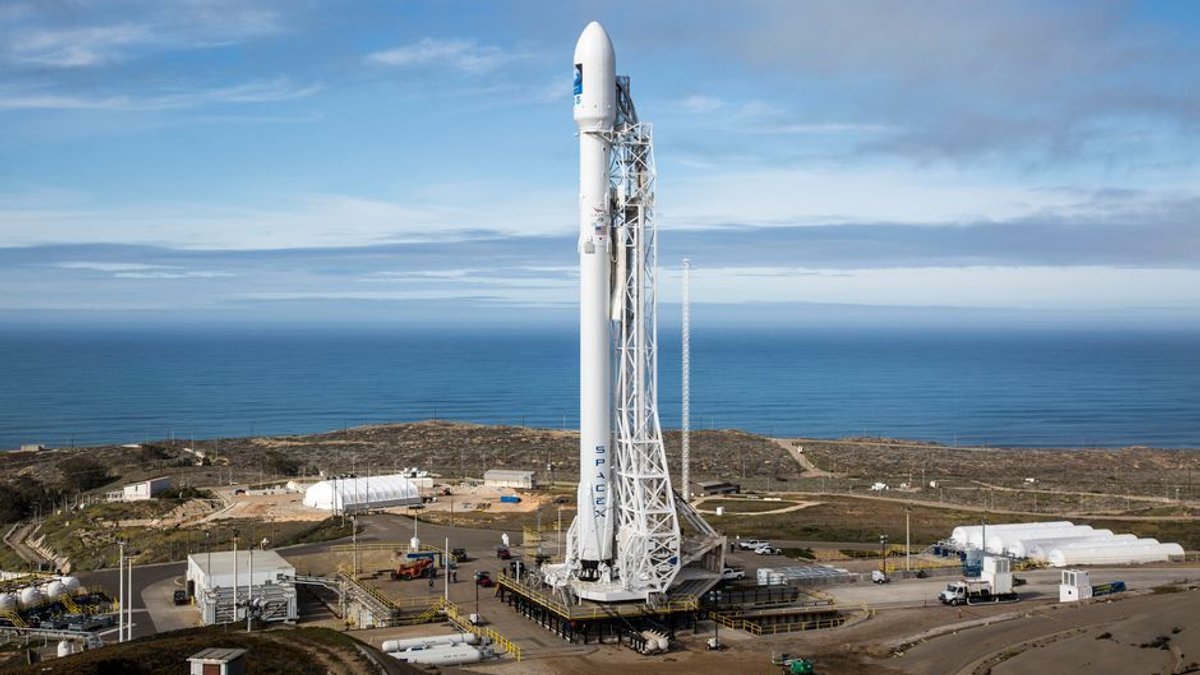
Record-Breaking Reuse
The Falcon 9's first stage landed on the droneship 'A Shortfall of Gravitas' in the Atlantic Ocean about eight minutes after liftoff. This particular booster has now flown more than any other in SpaceX's fleet, underscoring the company's commitment to rapid and cost-effective access to space. The mission also marked the 100th Falcon 9 launch of 2025, a milestone that highlights the increasing cadence of orbital launches. SpaceX officials noted that the payload fairings were also reused, having flown on previous missions.
The Starlink satellites deployed into low Earth orbit about 65 minutes after launch, joining thousands of others in the constellation that provides broadband internet globally. The successful mission adds to SpaceX's dominance in the commercial launch market, with competitors like United Launch Alliance and Rocket Lab still striving to match its reuse rates. The record-breaking flight also provides valuable data for future missions, including the fully reusable Starship system, which aims to further reduce launch costs.
As SpaceX continues to refine its operations, the benefits of reusability become clearer: lower costs, faster turnaround times, and a more sustainable approach to space exploration. With each successful reuse, the industry moves closer to a future where spaceflight is as routine as air travel. The company's next Starlink mission is already scheduled, promising another opportunity to witness the remarkable reliability of the Falcon 9 platform.

Comments
No comments yet.