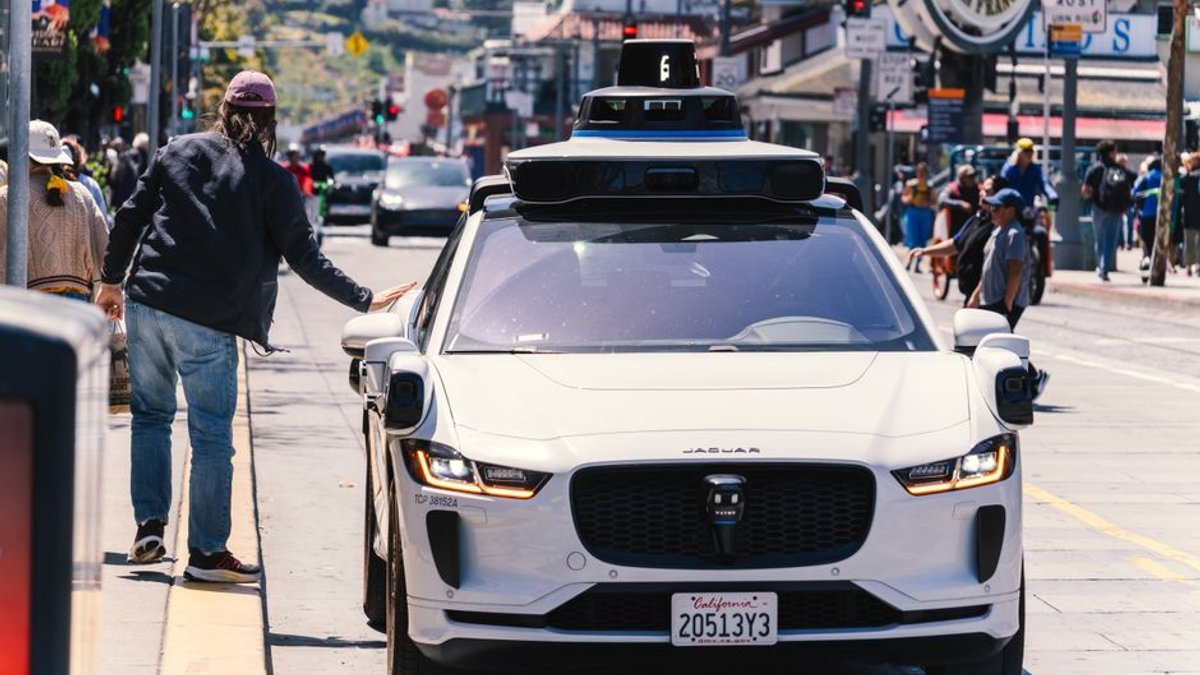
The approvals signal a significant vote of confidence in the maturity of self-driving technology. Each company brings a distinct approach: Waymo has years of real-world data from its operations in Arizona and California, Uber has deep experience in ride-hailing logistics, and Tesla is pushing a vision-based system that relies on cameras and neural networks rather than lidar. Nevada's regulatory framework, which has been evolving since the early days of autonomous vehicle testing, appears designed to encourage innovation while maintaining safety oversight.
What This Means for the Autonomous Vehicle Industry
The scale of the deployment is unprecedented. If all permits are fully utilized, the number of robotaxis on Nevada roads could dwarf current fleets elsewhere. This could accelerate public acceptance of self-driving cars, as more people experience the technology firsthand. It also creates a competitive dynamic: Uber's partnership with autonomous vehicle developers, Waymo's established reputation, and Tesla's ambitious full self-driving software all now have a common proving ground.
Regulators have emphasized that these permits come with conditions. Companies must meet safety standards, report incidents, and comply with state oversight. The gradual rollout—likely starting with smaller numbers and expanding—will allow authorities to monitor performance and address any issues before the full fleet is deployed.
For Nevada, the economic benefits are clear. The state has positioned itself as a hub for emerging mobility technologies, and the influx of autonomous vehicles could bring jobs, investment, and tourism. For the companies, success here could pave the way for broader expansion across the country.
The next 12 months will be a critical test. How these robotaxis perform in Nevada's varied conditions—from the bright lights of Las Vegas to the desert highways—will shape the future of autonomous ride-hailing. As the deployment unfolds, industry watchers will be looking at safety records, rider satisfaction, and operational efficiency to gauge whether this is the beginning of a new era in transportation.

Comments
No comments yet.