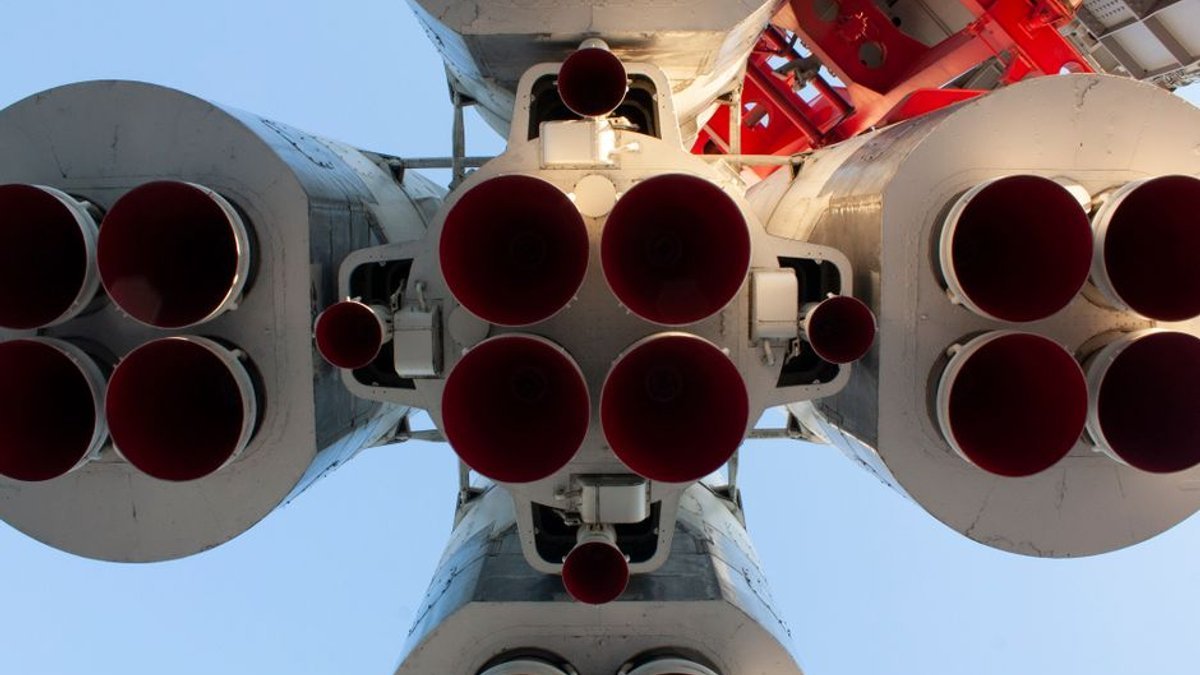
The fresh capital will accelerate development of the company's hybrid rocket engines, which combine solid fuel with a liquid oxidizer, offering a safer and more controllable alternative to traditional solid rockets. Letara's technology is already used in small satellite propulsion, but the company now aims to capture opportunities in larger orbital missions, suborbital research, and even defense-related projects where reliability and responsiveness are paramount.
Expanding Horizons Beyond Satellite Thrusters
Letara's expansion strategy reflects a broader trend among niche space firms seeking to diversify revenue streams. By targeting defense and security sectors, the startup positions itself to serve government and commercial clients with needs ranging from rapid-response launches to advanced maneuvering systems. The hybrid design provides an edge in cost efficiency and operational safety, making it attractive for missions that require precise thrust control and reduced handling risks.
The company has not disclosed specific customers or contracts, but industry observers note that Japan's growing investment in space security and its push to bolster domestic launch capabilities create a favorable environment. Letara's ability to adapt its technology to different payload sizes and mission profiles will be critical as it competes with larger established players and other agile startups.
For now, the funding round marks a milestone in Letara's journey from a niche component supplier to a systems-oriented provider. The company plans to use the proceeds to expand its engineering team, enhance testing facilities, and pursue certifications that will enable it to serve defense and security clients. As the global space economy evolves, hybrid propulsion could become a key enabler, and Letara aims to be at the forefront of that shift.

Comments
No comments yet.