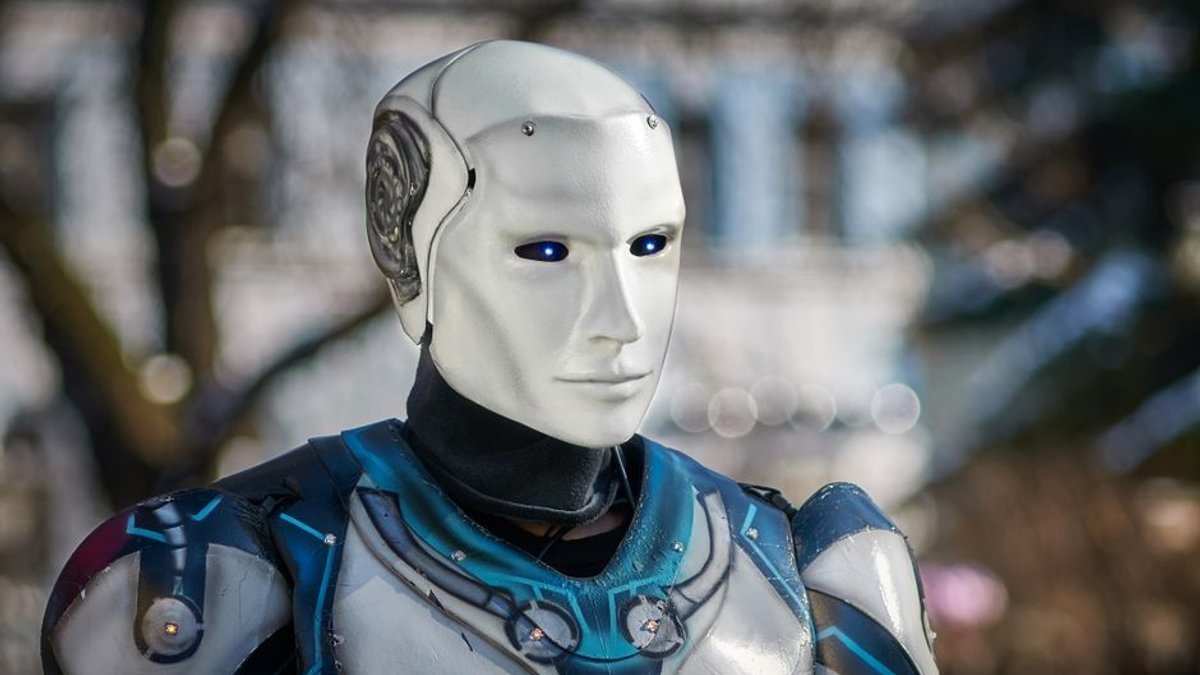
The robot, controlled by a human pilot, represents a growing trend in telerobotics, where remote workers operate machines to perform physical tasks. This model not only makes the technology more accessible but also opens up new job opportunities for people who can work from home while controlling robots in other locations. The $30 per hour price point, comparable to professional cleaning services, suggests that such services could soon become mainstream.
Why the Backlash?
The negative reactions stem from several concerns. Some worry about the loss of traditional cleaning jobs, while others question the safety and reliability of robots in private homes. Privacy is another major issue, as these robots are equipped with cameras and sensors that could potentially be misused. Despite the criticism, the woman defended her choice, emphasizing the convenience and efficiency of the service. She pointed out that the robot completed the job in half the time it would take a human, with impressive precision.
The incident highlights a broader societal unease about the rapid integration of robots into everyday life. While automation has long been a part of manufacturing, its entry into domestic spaces feels more personal and intrusive to many. However, experts argue that telerobotic services like this are just the beginning. As technology improves and costs drop, we can expect to see more humanoid robots taking on household chores, from cleaning to cooking.
For now, the debate continues, but one thing is clear: the era of robotic home assistance is no longer science fiction. It is happening now, one apartment at a time.


Comments
No comments yet.