The sprawling network of license-plate recognition cameras operated by Flock Safety has come under renewed scrutiny following investigative reports detailing how some police departments used the system beyond its intended purpose. In response, the company has announced a series of changes aimed at increasing oversight and restoring public trust. These measures include tighter access controls, more rigorous auditing of search activity, and clearer guidelines for law enforcement partners.
## A Shift Toward Accountability
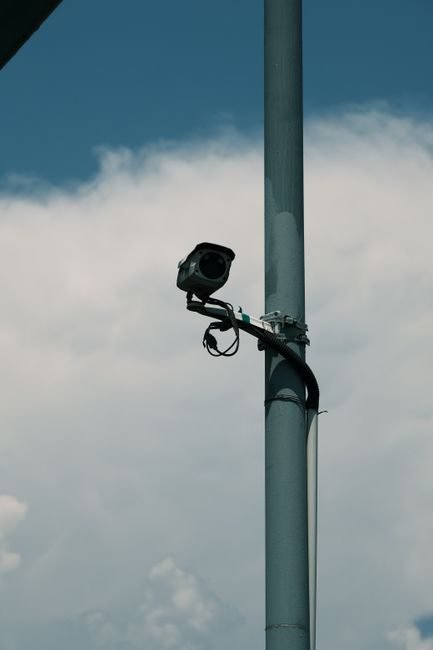
Flock’s cameras, which are mounted on poles and streetlights across thousands of communities, capture license plates and vehicle characteristics around the clock. While the technology was marketed as a tool for solving crimes and locating missing persons, reports revealed instances where officers accessed footage for reasons unrelated to public safety, such as tracking individuals involved in personal disputes or monitoring protest movements. The company’s new policies are designed to close these loopholes by requiring supervisory approval for certain types of searches and by flagging unusual patterns of use.
Beyond policy changes, Flock has also introduced a public-facing map that allows residents to see where its devices are installed. This transparency effort is part of a broader trend among surveillance providers to address growing concerns about privacy and civil liberties. By making the presence of cameras more visible, Flock hopes to shift the conversation from secrecy to consent, though critics argue that visibility alone does not solve the underlying issues of data retention and potential misuse.
The developments come at a time when the broader camera industry is evolving rapidly. Blackmagic Design, for instance, has updated its Blackmagic Camera app with new features aimed at professional cinematographers, reflecting a parallel focus on empowering users with greater control over their imaging tools. While the two stories are distinct, they both highlight how camera technology — whether used for surveillance or filmmaking — is increasingly defined by questions of access, transparency, and user agency.
As Flock continues to refine its practices, the industry will be watching closely. The balance between security and privacy is delicate, and the company’s next steps will likely set a precedent for how other surveillance firms respond to public pressure. For now, the message is clear: transparency and accountability are no longer optional in the world of connected cameras.
Flock Tightens Oversight of Its Camera Network After Police Misuse Reports
Ad Space
TechnoVibes Opinion
Flock's response is a necessary step, but it raises a deeper question: can private surveillance networks ever be truly accountable to the public? While transparency tools like the camera map are welcome, they don't address the core issue of how data is used and retained. The industry needs independent oversight, not just self-regulation, to ensure that these powerful tools serve the public interest without eroding fundamental rights.
Original source: https://news.google.com/rss/articles/CBMiuwFBVV95cUxObWZYWFhqWkd3RHJ1cWtYcmNTM1N2RWRVLXRpaElvNEllUjIwVWNXWkg5ajE3R2h4WGhvT1VIX0ZaRktNb3llMmZBWXliWk9YYkFCSVVhcWwtLU56U3JYdHBoMHNncVpRcFl5T0lwaGYyOTFNVE5BWUpQYjJxdTgtX0dUcVF3Q0ZVSVdQcUpVT0VpZlprQlZnejJZU3BpTE1CZ3NxMVlDcFBPU2FKenRKckZWRjVlZEhKc3Z3?oc=5


Comments
No comments yet.