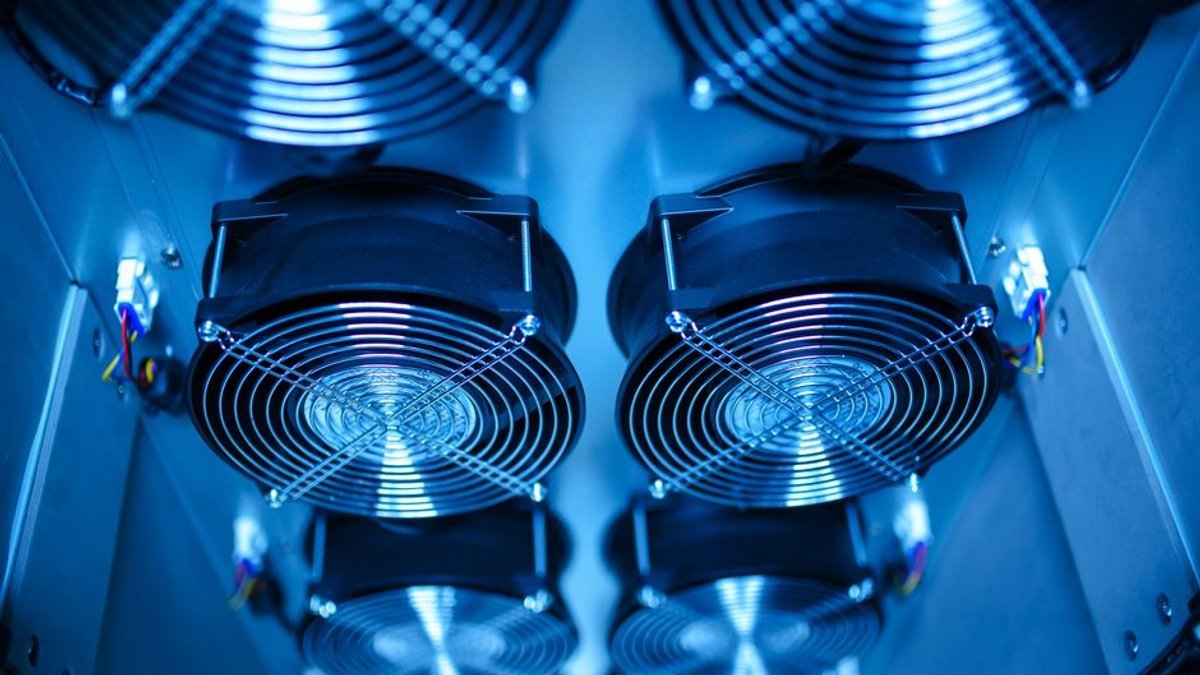
Data centers generate significant heat, and keeping them cool is essential for performance and reliability. Traditional cooling methods often rely on evaporative systems that use vast quantities of fresh water. In drought-prone regions, this has led to public scrutiny and calls for more sustainable practices.
Innovative Cooling Solutions Emerge
Kelce's jest, though absurd on the surface, highlights a real trend: the search for alternative cooling fluids. Researchers and engineers have explored using treated wastewater, recycled greywater, and even non-water-based coolants like dielectric fluids. Some companies are experimenting with closed-loop systems that minimize water loss entirely.
The idea of using urine, while not practical at scale, underscores the creative thinking needed to address the water footprint of digital infrastructure. Urine is mostly water and could theoretically be processed for reuse, but the logistics and treatment costs make it an unlikely candidate.
Instead, the industry is focusing on more feasible innovations. For instance, some data centers are being built in cooler climates or underwater, while others adopt advanced air cooling or liquid immersion cooling. These methods can drastically reduce water consumption and improve energy efficiency.
As the demand for cloud computing and AI continues to grow, so does the urgency to make data centers more environmentally friendly. The tech sector is increasingly aware of its responsibility to conserve resources and reduce its carbon footprint.
Kelce's offhand comment may have been a joke, but it has sparked a valuable conversation about how we can sustainably cool the backbone of the digital age. While we won't be seeing urine-powered cooling systems anytime soon, the push for innovation is more important than ever.


Comments
No comments yet.