Bill Gates, the Microsoft co-founder turned philanthropist, is known for his cautious optimism about artificial intelligence. But in his latest remarks, he has introduced two concepts that go beyond the usual Responsible AI talking points: a robot tax and the idea of 'Human Reserved' jobs.
The robot tax, a concept that has been discussed in policy circles for years, would levy a tax on companies that replace human workers with automation. Gates believes this could slow the pace of job displacement and generate revenue to fund social safety nets or retraining programs. However, specifics on how such a tax would be structured or implemented remain unclear.
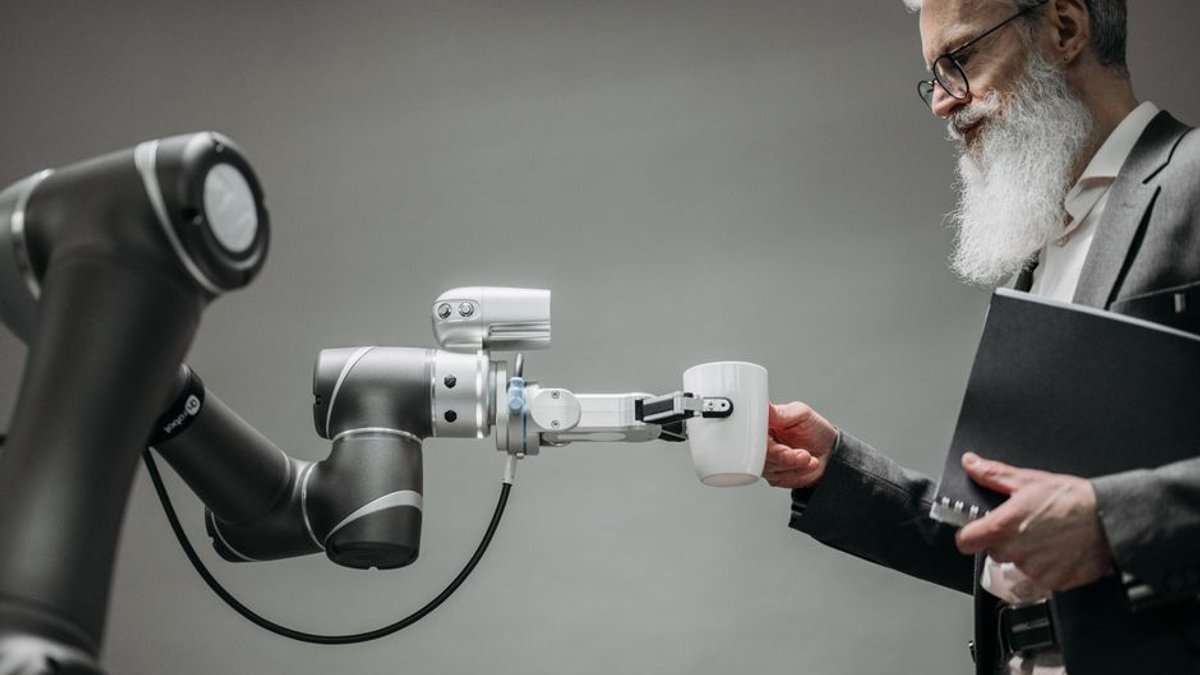
'Human Reserved' jobs, a phrase Gates has coined, would be roles that are deliberately kept for humans, even if machines could perform them more efficiently. This could include jobs in caregiving, education, or the arts, where the human touch is considered essential. Gates argues that preserving these roles could help maintain social cohesion and provide meaning for people in an increasingly automated world.
Gates' stance places him firmly in the Responsible AI camp, which advocates for proactive measures to ensure AI benefits society broadly rather than concentrating wealth and power. Yet, his proposals raise practical questions: How would we decide which jobs are 'reserved'? Who would pay for the robot tax, and how much? And would such measures actually work, or would they hinder innovation?
While Gates has not provided detailed answers, his ideas add to a growing global conversation about how to manage the transition to an AI-driven economy. As policymakers and tech leaders grapple with these challenges, proposals like these will likely shape the debate for years to come.
Bill Gates Proposes Robot Tax and 'Human Reserved' Jobs to Cushion AI's Impact
Ad Space
TechnoVibes Opinion
Gates' proposals are thought-provoking, but they lack the operational detail needed to be actionable. The robot tax, for instance, has been debated for years without a clear consensus on implementation. Still, by putting these ideas on the table, Gates is pushing the conversation forward, which is valuable in itself.
Original source: techcrunch.com


Comments
No comments yet.