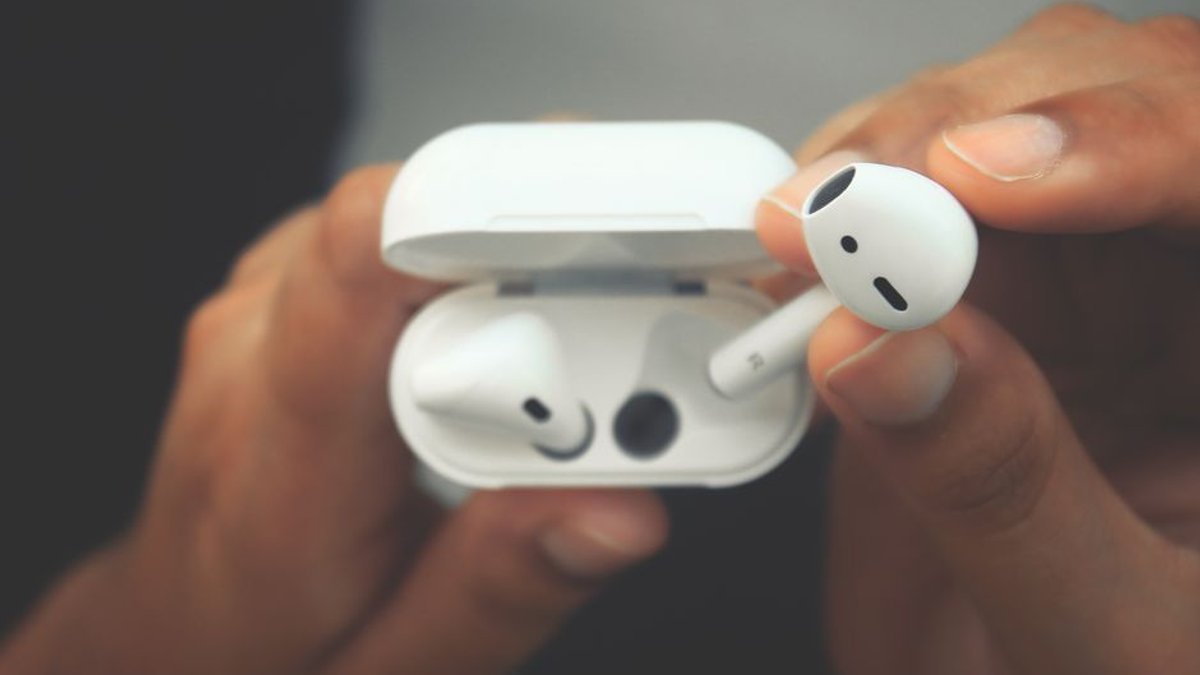
Apple’s rumored AirPods with built-in cameras have sparked a mix of curiosity and concern. Unlike the AI-powered wearables that have drawn criticism for recording people without consent, the leaks suggest Apple is designing these earbuds to prevent users from taking photos or videos altogether. That distinction could make all the difference in how the product is received.
The speculation centers on a future version of AirPods that would integrate small camera modules, likely to enhance spatial audio and enable AI-driven features such as real-time environmental awareness. While the exact functionality remains unconfirmed, the reported decision to disable photo and video capture is a notable departure from the path taken by other wearable makers. Instead of adding yet another recording device to our daily lives, Apple appears to be prioritizing privacy by design.
## A Privacy-First Approach to Wearable Tech
Privacy advocates have long warned about the dangers of always-on cameras in everyday accessories. Smart glasses and pins with recording capabilities have faced fierce backlash, with some being banned from public spaces due to surveillance concerns. Apple’s apparent choice to strip out recording functionality could help it avoid that trap entirely.
If the leaks are accurate, the cameras would serve purely as sensors for contextual computing. They might track head movements, recognize gestures, or gather environmental data to improve audio processing, without ever storing or transmitting images. This approach aligns with Apple’s broader marketing around on-device processing and user control, reinforcing the message that privacy remains a core selling point.
The challenge, however, lies in managing expectations. Consumers have become accustomed to cameras in gadgets, and some may wonder why Apple would include hardware that cannot capture memories. The company would need to clearly communicate the value of these sensors, whether it is smarter noise cancellation, more intuitive controls, or seamless integration with future AI assistants.
For now, all of this remains speculative. Apple has not confirmed the existence of camera-equipped AirPods, and leaked details should be treated with caution. Still, the direction is telling: as AI wearables become more prevalent, the companies that earn consumer trust will be those that bake privacy into the hardware itself, not just promise it in software updates.
As the wearable market evolves, Apple’s approach could set a new standard. By proving that intelligent sensors do not require recording capabilities, the company might redefine what we expect from the gadgets we wear every day. Whether those expectations translate into sales will depend on execution, but the privacy-first framing is a smart opening move.
Apple’s Camera AirPods Could Sidestep Privacy Fears
Ad Space
TechnoVibes Opinion
Apple has a real opportunity here to lead by example. While other AI wearables chase feature-rich recording, a camera that cannot record is a bold statement that privacy can coexist with innovation. The risk is that consumers see the hardware as a gimmick, so Apple must clearly demonstrate the practical benefits. If it succeeds, this could become the blueprint for responsible wearable AI.
Original source: techcrunch.com

Comments
No comments yet.