Price Hike and Market Reaction
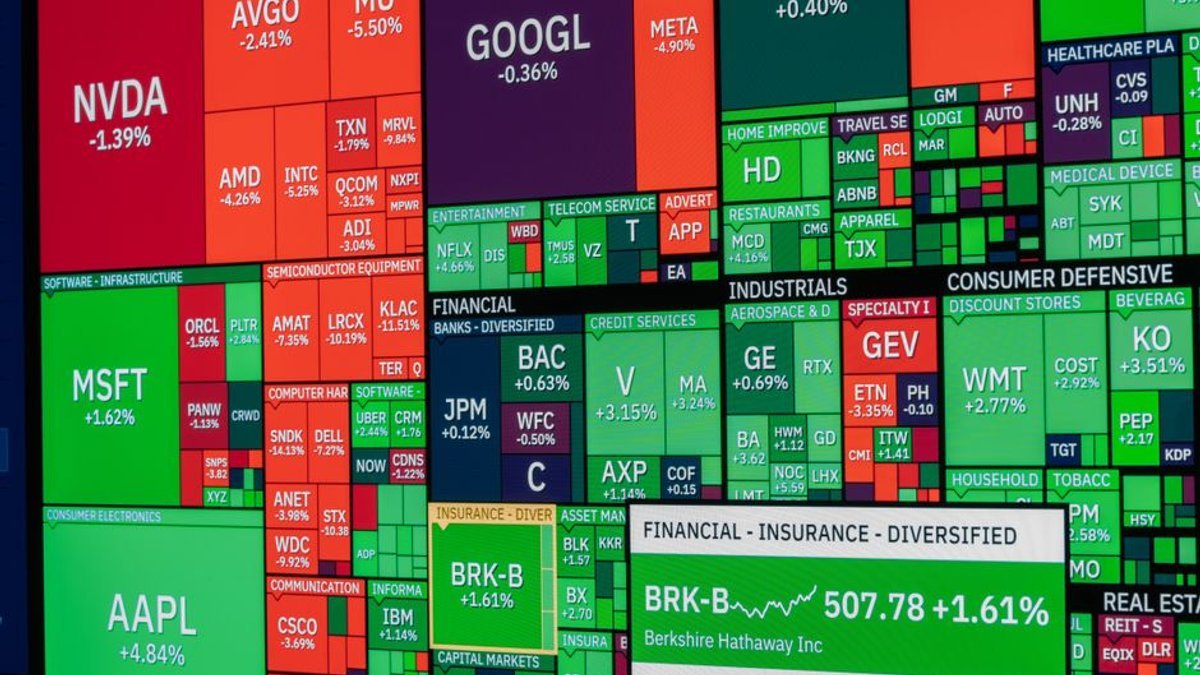
The reported 10% price increase for AMD's chips has been a key catalyst for the stock's recent climb. Such a move would directly impact the company's top line, especially as demand for high-performance computing and AI accelerators continues to outpace supply. NVIDIA and Taiwan Semiconductor also saw modest gains, reflecting broader sector optimism. The price adjustment, if confirmed, would mark one of AMD's most aggressive pricing strategies in recent years, signaling strong pricing power amid a supply-constrained environment.
Record Highs and Future Outlook
AMD's shares closed at a record $584.95, a level that values the company at over $1 trillion. The five-day rally has added billions to its market cap, and technical analysts are eyeing the $700 mark as the next psychological resistance. The surge is not isolated; it mirrors a wider semiconductor rally fueled by AI adoption across cloud, edge, and enterprise segments. However, questions remain about whether the price hike could dampen demand from cost-sensitive customers, particularly in consumer graphics and lower-tier data center chips.
Competitive Landscape and Implications
With NVIDIA dominating the AI GPU market and Taiwan Semiconductor controlling advanced manufacturing, AMD's ability to raise prices suggests a tightening supply chain and strong bargaining position. The company's upcoming product launches, including next-gen EPYC and Instinct processors, are expected to further drive growth. Investors will watch whether the price increase sticks and how competitors respond. For now, AMD's trillion-dollar valuation cements its status as a semiconductor heavyweight, but sustaining this momentum will require execution on both product and pricing fronts.

Comments
No comments yet.