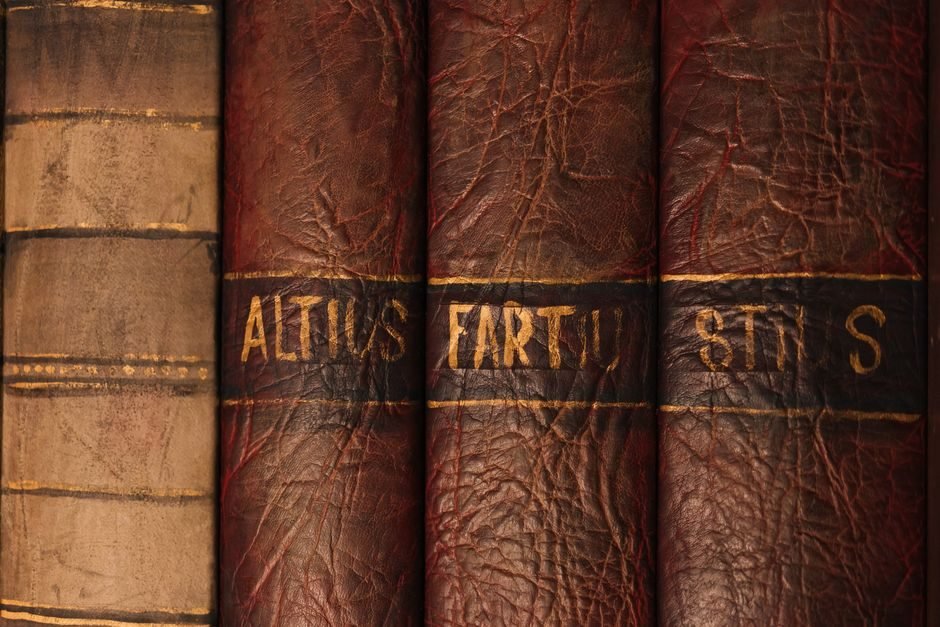
Amazon, the company that began as an online bookstore, is now at the center of a growing controversy: rare books are being destroyed to fuel its artificial intelligence training programs. These texts, often unavailable online, hold immense value for training large language models (LLMs) because they contain unique language patterns, historical context, and specialized knowledge that standard web-scraped data lacks.
## The Hidden Cost of AI Development
The practice involves scanning or digitizing rare books, but in many cases, the physical copies are discarded or destroyed after digitization. While Amazon has not publicly detailed the scope of this operation, reports suggest that the company's vast inventory, accumulated over decades, is being systematically processed for AI purposes. This raises serious questions about the preservation of cultural artifacts, as many of these books are irreplaceable and hold historical significance beyond their commercial value.
Critics argue that destroying physical books, even after digitization, undermines archival integrity. Digital copies can be lost to file corruption, format obsolescence, or server failures, making the physical original the only truly permanent record. Moreover, the ethical implications of prioritizing AI advancement over cultural preservation are profound, especially for a company with the resources to support both.
Supporters of the practice counter that digitization makes rare texts more accessible than ever, allowing researchers and AI developers to study and analyze works that were previously confined to library archives. They argue that the benefits of improved AI models—ranging from better language understanding to more accurate historical analysis—outweigh the loss of physical copies.
## The Broader Implications for the Tech Industry
This controversy highlights a broader tension within the tech industry: the race to build more capable AI models often clashes with the need to preserve historical and cultural resources. As companies like Amazon, Google, and Microsoft race to acquire training data, the fate of rare books and other physical media becomes a pressing concern.
For libraries, universities, and independent archivists, this trend is alarming. They fear that if commercial entities continue to destroy physical texts in the name of AI progress, the world's collective knowledge could become increasingly fragile, relying solely on digital formats that are vulnerable to decay and obsolescence.
The situation calls for a balanced approach. Companies should invest in robust digital preservation strategies and consider donating physical copies to libraries or archives before destruction. Public dialogue and transparent policies are essential to ensure that AI development does not come at the cost of our cultural heritage.
As AI continues to evolve, the question of how we source training data will remain contentious. Amazon's actions, whether deliberate or incidental, have ignited a necessary conversation about the ethics of using irreplaceable physical artifacts for technological gain. The tech industry must find ways to innovate without erasing the past.
Amazon's AI Training Is Destroying Rare Books, Raising Preservation Concerns
Ad Space
TechnoVibes Opinion
The destruction of rare books for AI training represents a troubling trade-off between innovation and heritage. While digitization offers accessibility, it cannot replace the permanence of physical originals. Companies must adopt transparent, ethical data-sourcing practices that prioritize preservation alongside progress, or risk erasing the very foundations of knowledge they aim to enhance.
Original source: techcrunch.com


Comments
No comments yet.