Why Studios Are Going Direct
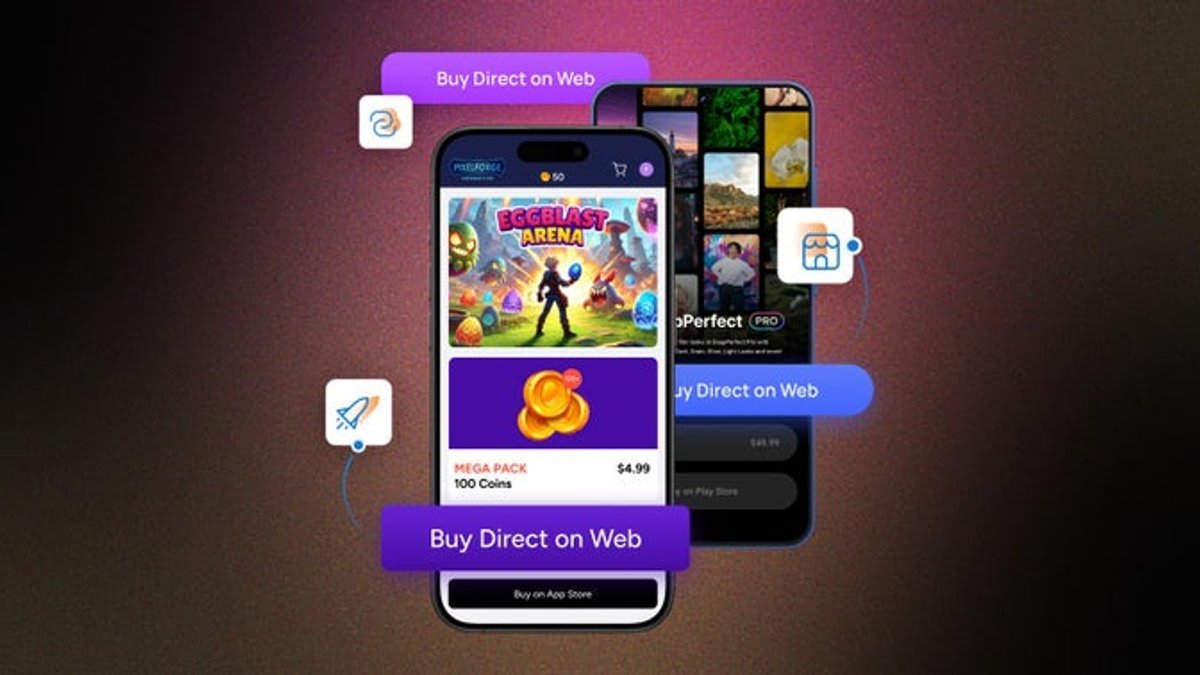
The appeal of D2C stores is multifaceted. For developers, owning the storefront means retaining a larger share of revenue, as they avoid the commission fees charged by major platforms like Steam or console marketplaces. It also provides direct access to player data, enabling more personalized marketing and fostering stronger community engagement. By selling directly, studios can build a loyal customer base that is not dependent on third-party algorithms or storefront visibility.
Moreover, D2C stores offer flexibility in pricing, bundling, and exclusive content, allowing studios to experiment with different business models. Limited-time offers, season passes, and collector's editions can be tailored to the audience without the constraints of a centralized marketplace. This agility is particularly valuable for independent developers who may struggle to stand out in crowded digital storefronts.
However, the shift is not without challenges. Setting up and maintaining a robust e-commerce platform requires investment in infrastructure, payment processing, and customer support. Studios must also drive traffic to their own sites, which can be a hurdle without the discovery mechanisms of established platforms. Despite these obstacles, the survey indicates that the industry sees the long-term benefits as outweighing the initial costs.
The trend also raises questions about the future of digital storefronts. While platforms like Steam and the Epic Games Store remain dominant, the rise of D2C stores could fragment the market. Players may find themselves managing multiple accounts and payment systems across different games. Yet, for studios, the ability to control their own distribution channel is an opportunity to deepen relationships with their audience and secure a more sustainable revenue stream.
As the industry evolves, it will be interesting to see how this shift affects consumer behavior and platform dynamics. The survey's findings suggest that D2C is not a passing fad but a strategic direction that many studios are committing to for the long term. For now, the message is clear: direct-to-consumer is becoming a cornerstone of modern game distribution.
Comments
No comments yet.